Travelers Summer Research Fellowship Program 2024
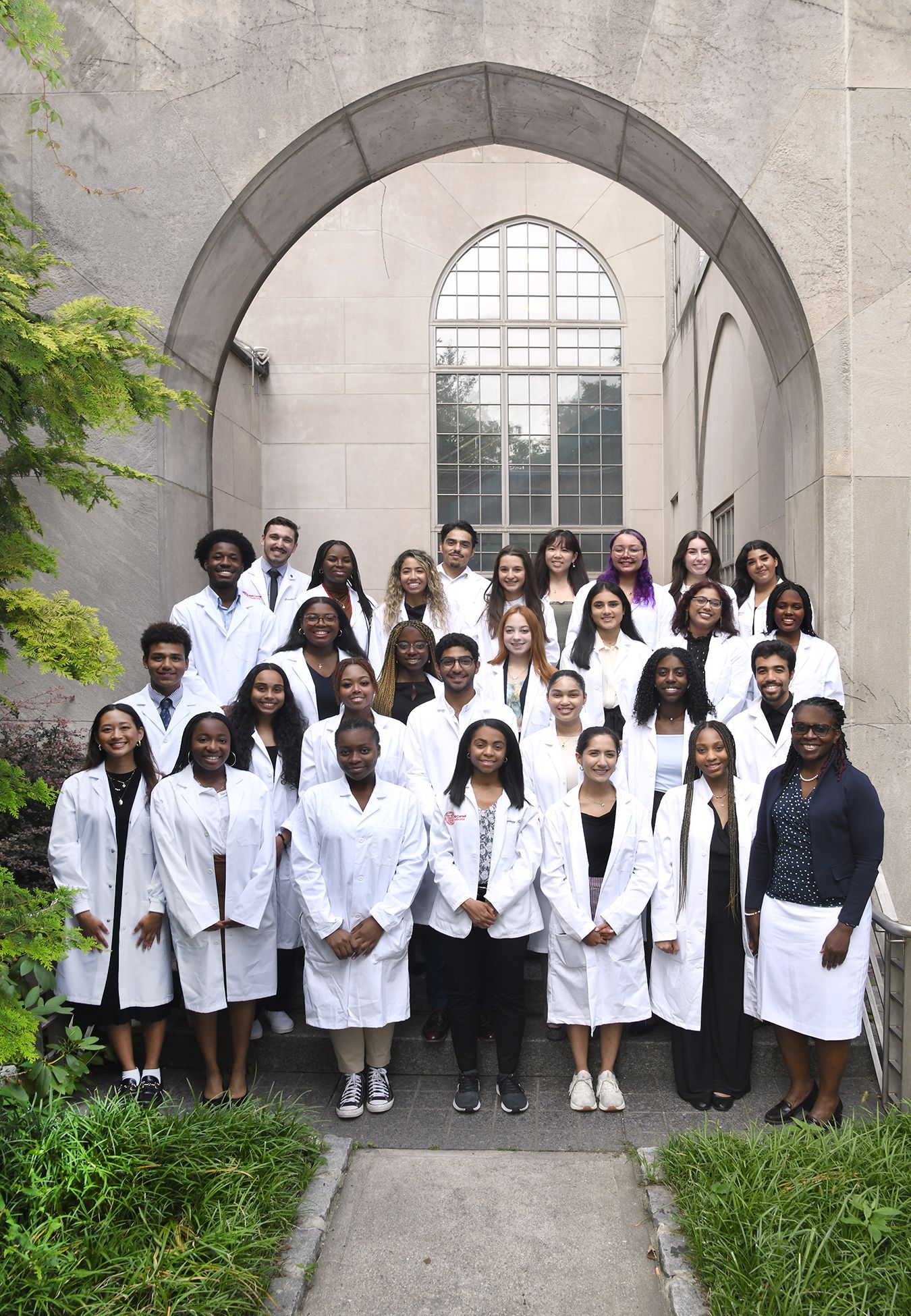
The Travelers Summer Research Fellowship Program is designed to provide 25-27 premedical students with experiential research training, meaningful insights into the field of medicine, and enhanced knowledge of the conditions and policies impacting the health of traditionally underserved populations. By engaging in laboratory or clinical research, under the supervision of a faculty member, the T-SRF participants learn how to investigate a specific research question. Participants are thereby provided with a research training experience allowing them to acquire investigative techniques that can be later applied as they pursue their medical education. The didactic curriculum has several themes. There are content delivery around common public health issues including healthcare for the under and uninsured; healthcare disparities; research basics; a financial aid presentation and practical advice from medical students on the medical school application process and preparing for the MCAT. In addition to these, participants engage with a wide variety of physicians in career panel discussions including primary care, pediatrics, neurology, ophthalmology, obstetrics and gynecology, surgery, radiology, emergency medicine, and internal medicine. The highlight of the curriculum is a panel discussion populated by diversity and admissions deans from NY medical schools addressing the question “What are medical schools looking for?”
With the resumption of in-person program in 2022, the program also provides each participant with an opportunity to shadow a physician. As research training is the primary mission of the program, shadowing opportunities are limited.
For more information, click here
here
*Please note that COVID-19 vaccination is required for participation in the summer program.*
The T-SRF 2024 application is now available. Click on the "How to Apply" below for more information.
Application deadline: Thursday, February 1, 2024
Program Dates: June 17, 2024 - August 2, 2024
How to Apply
How to apply:
- Download and read through the Frequently Asked Questions here.
- Download the application checklist here.
- Click here for the online application.
For further information, please contact tsrf@med.cornell.edu.
Questions
Download our Frequently Asked Questions here
Questions?
Joy D. Howell, M.D., FAAP, FCCM
Assistant Dean for Diversity and Student Life
Vice Chair for Diversity in Pediatrics
Professor of Clinical Pediatrics
445 East 69th Street, Room 110
New York, NY 10021
tsrf@med.cornell.edu
News
Weill Cornell Medicine Unveils Paintings of Four Diversity Leaders
T-SRF 50th Anniversary Celebration
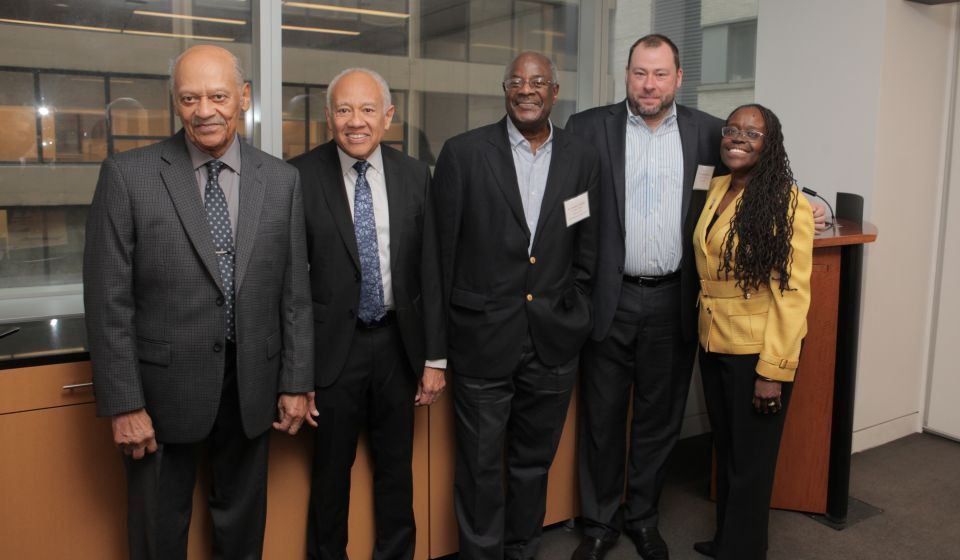
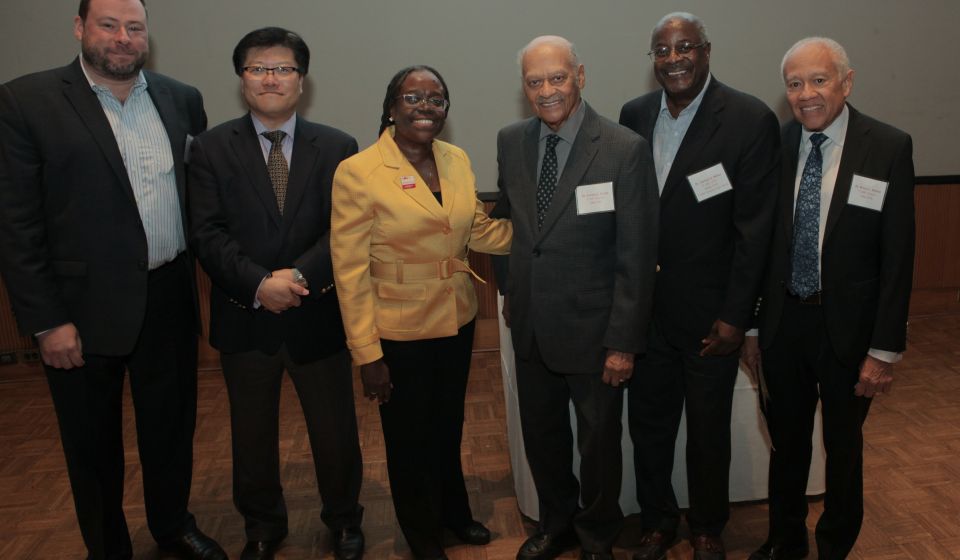
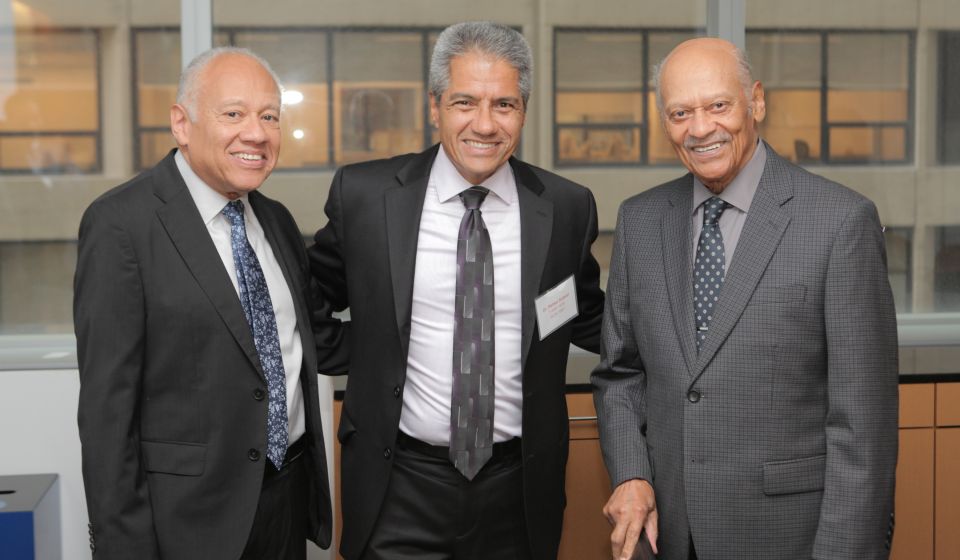
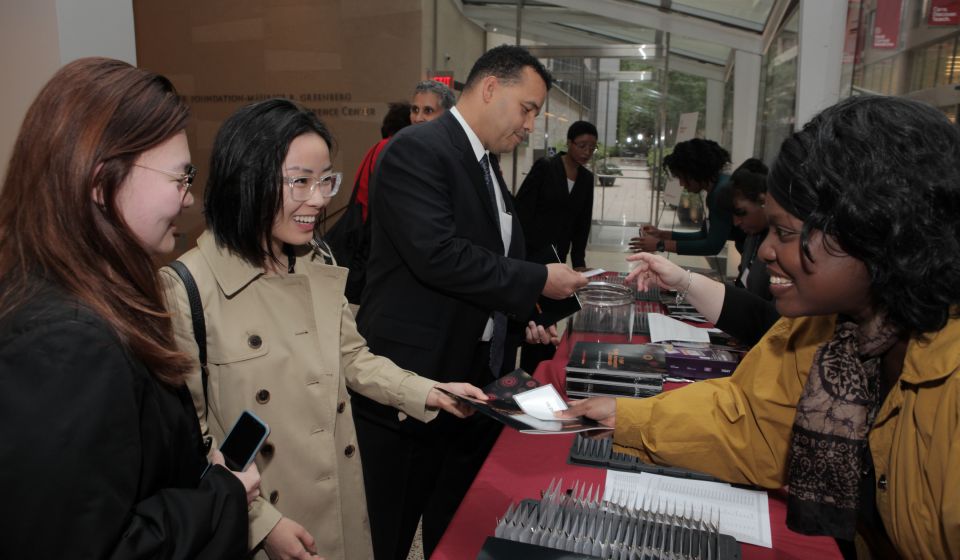
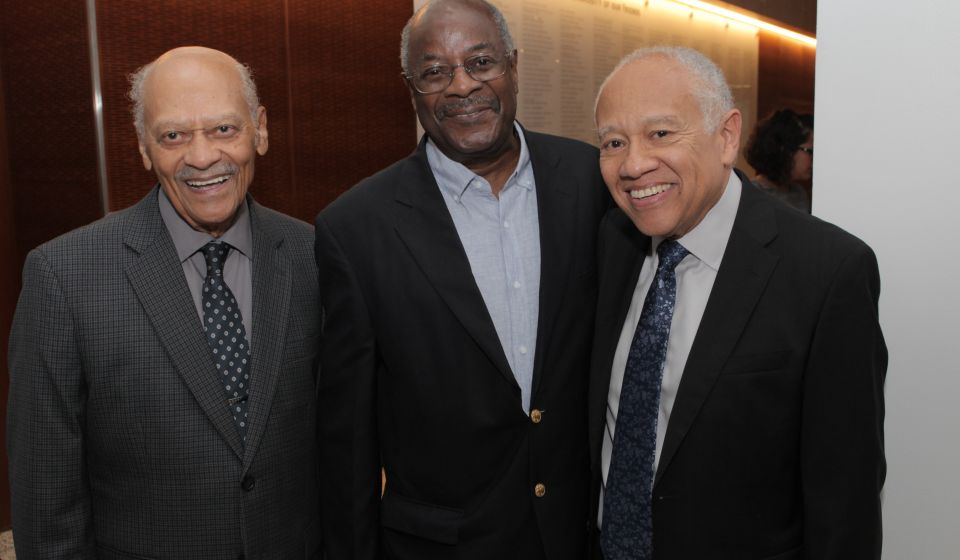
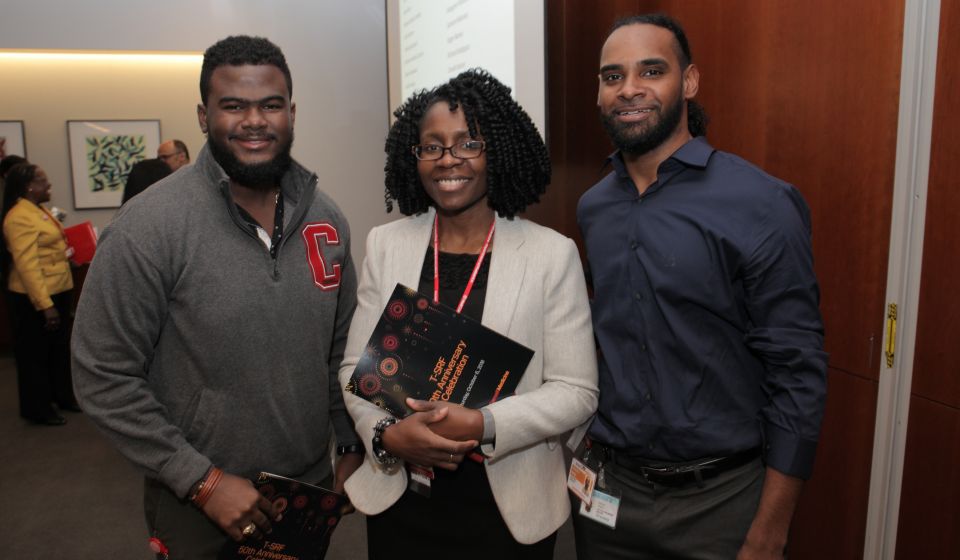
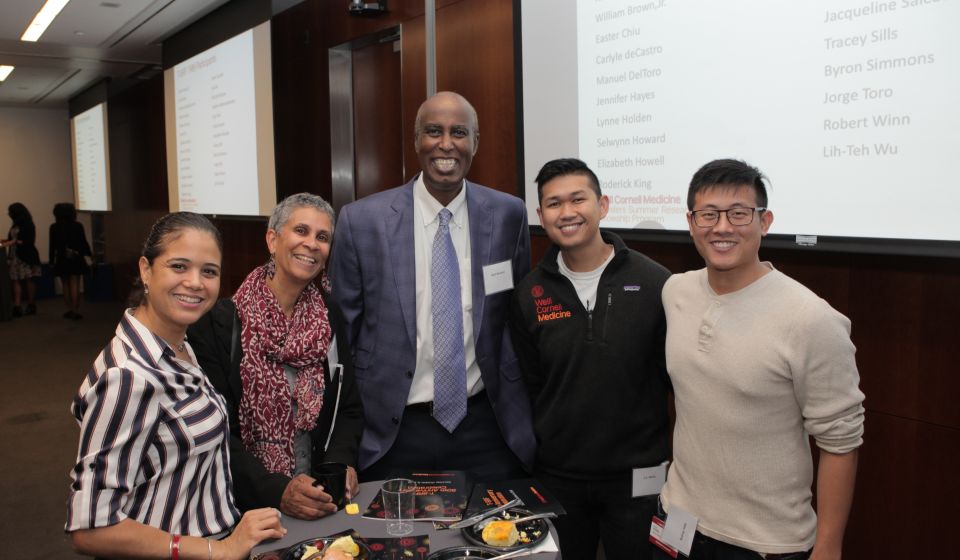
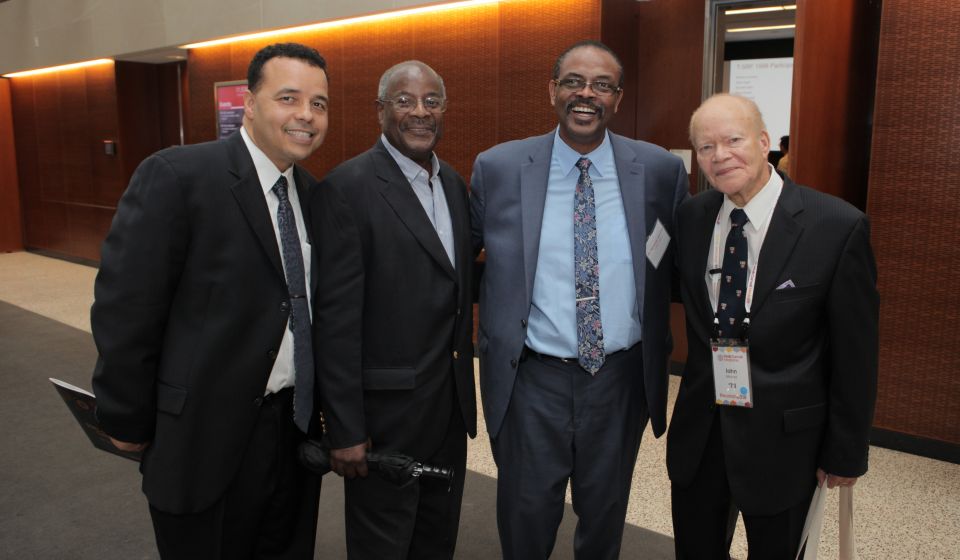
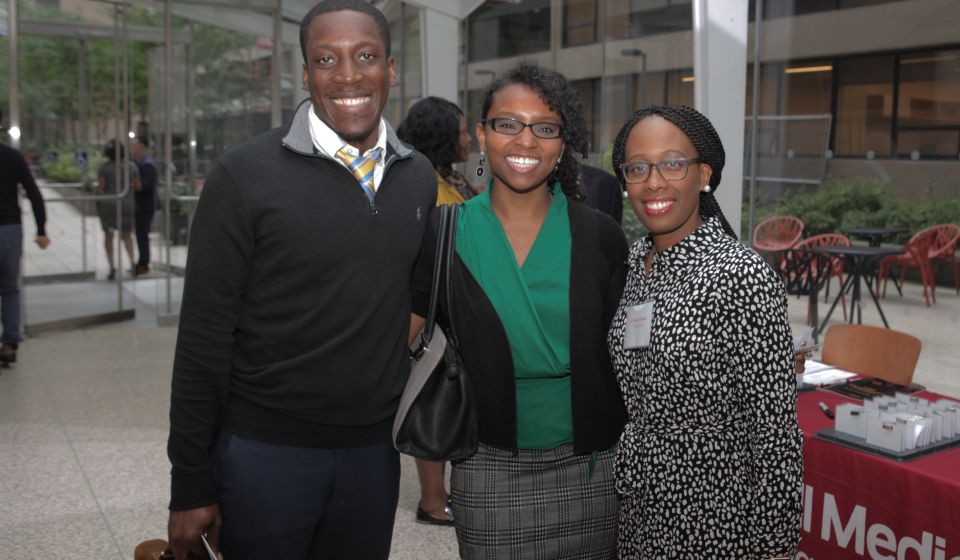
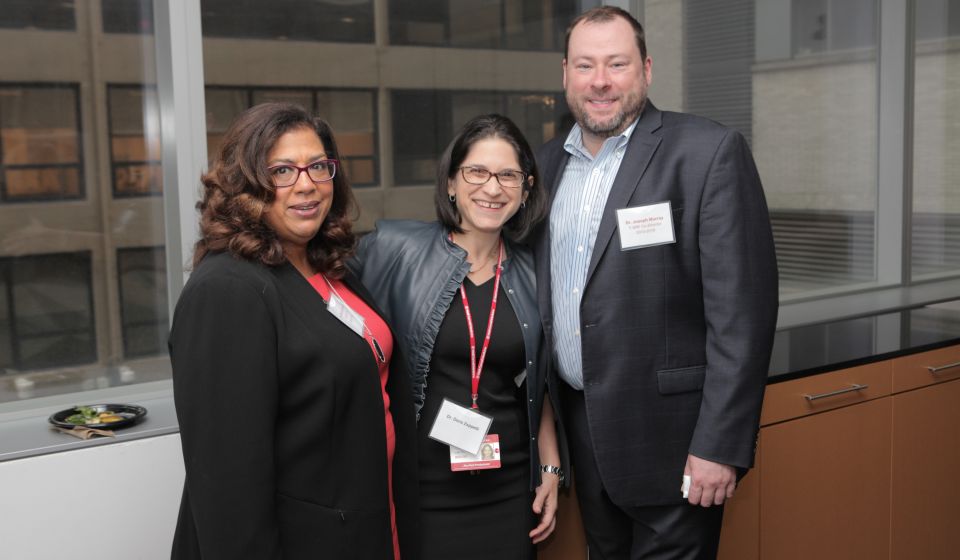
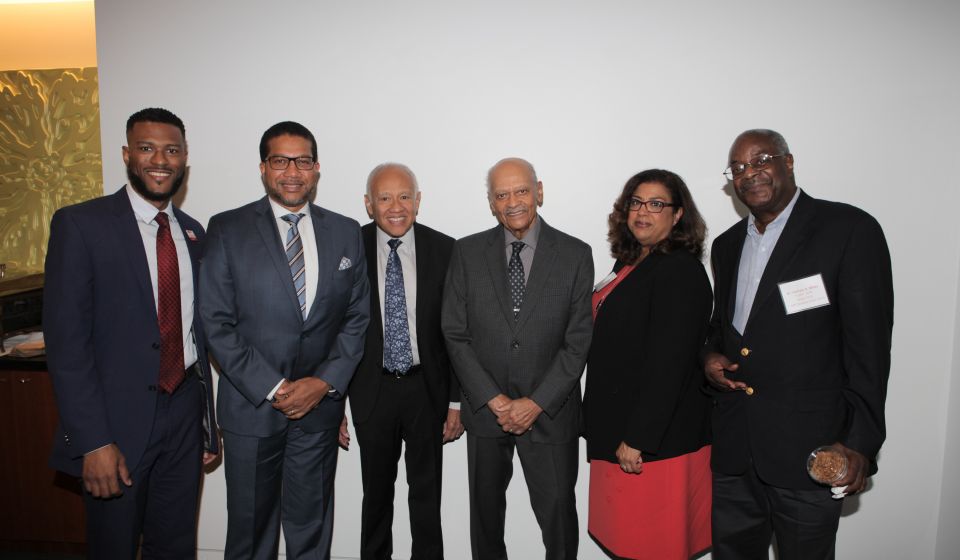
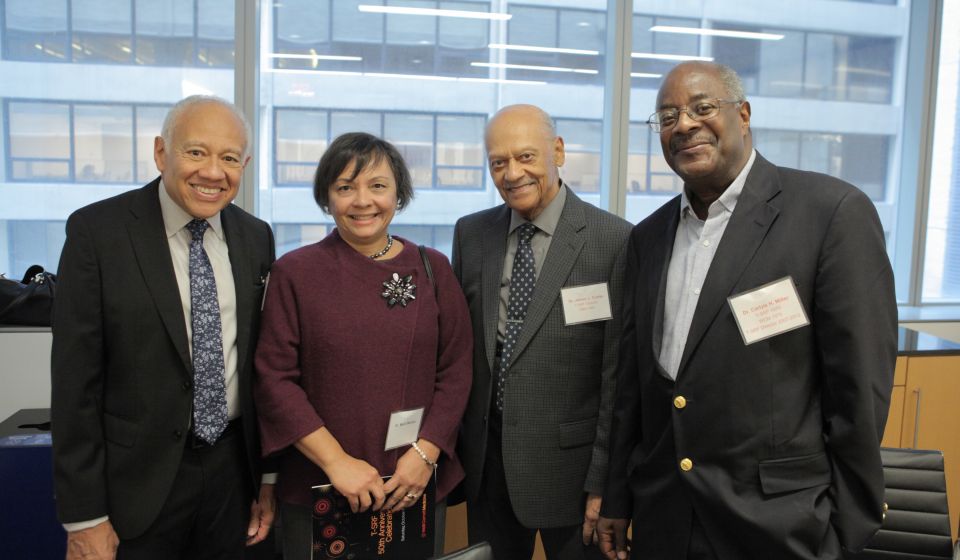
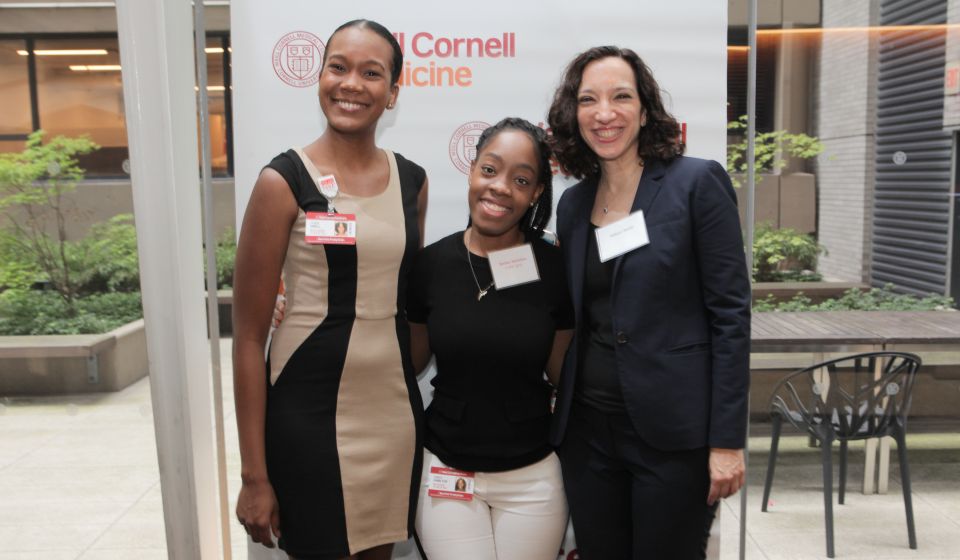
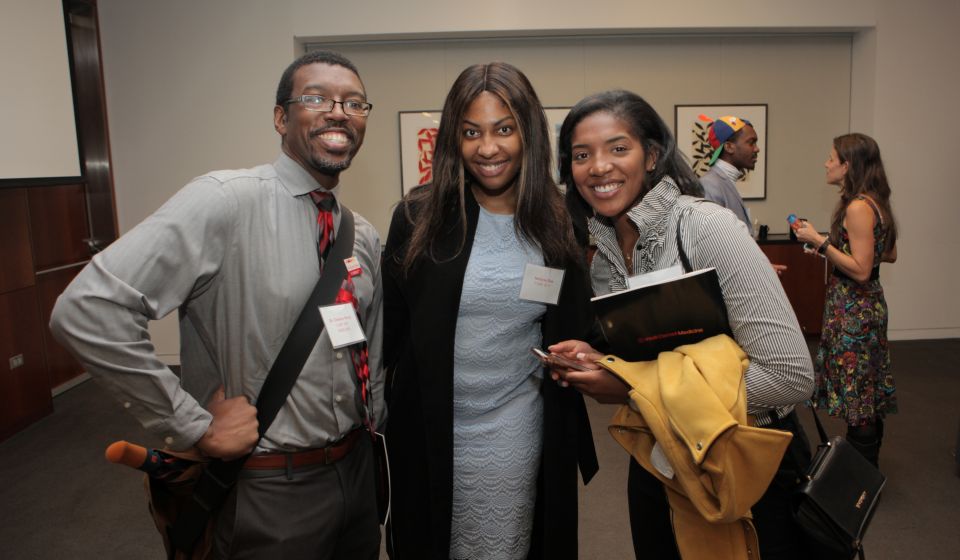
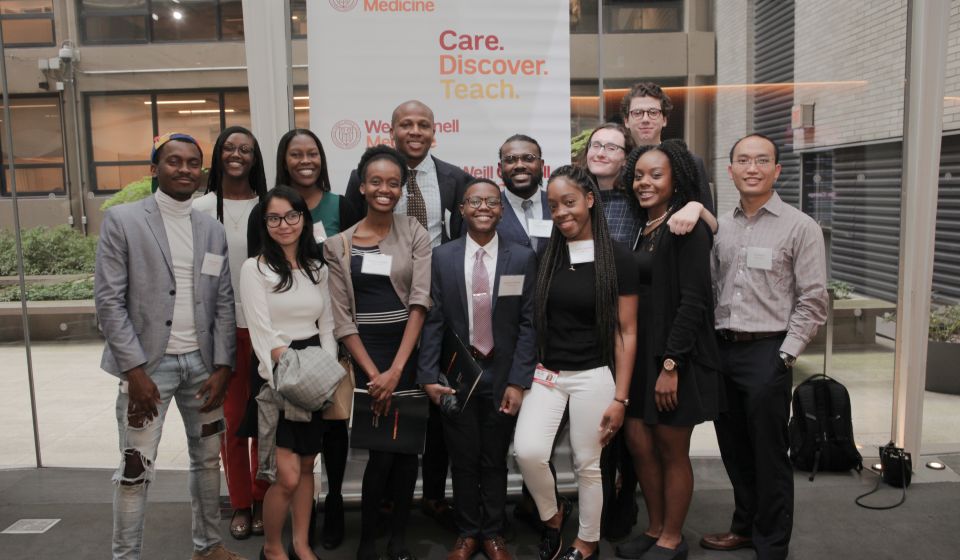
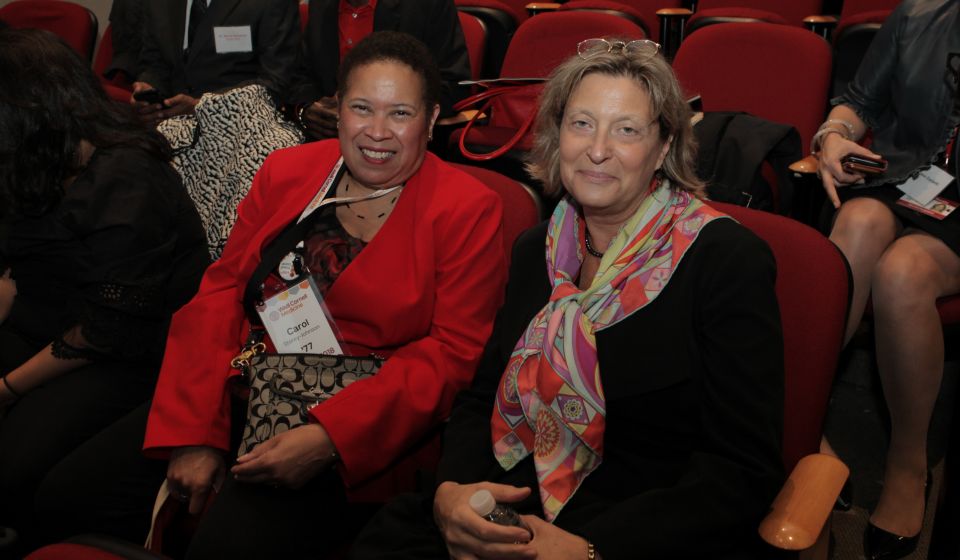
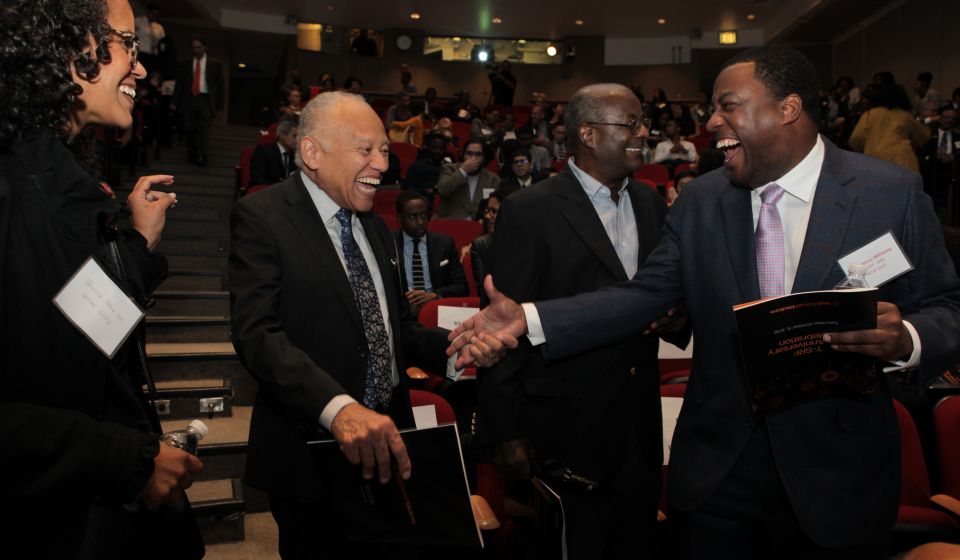
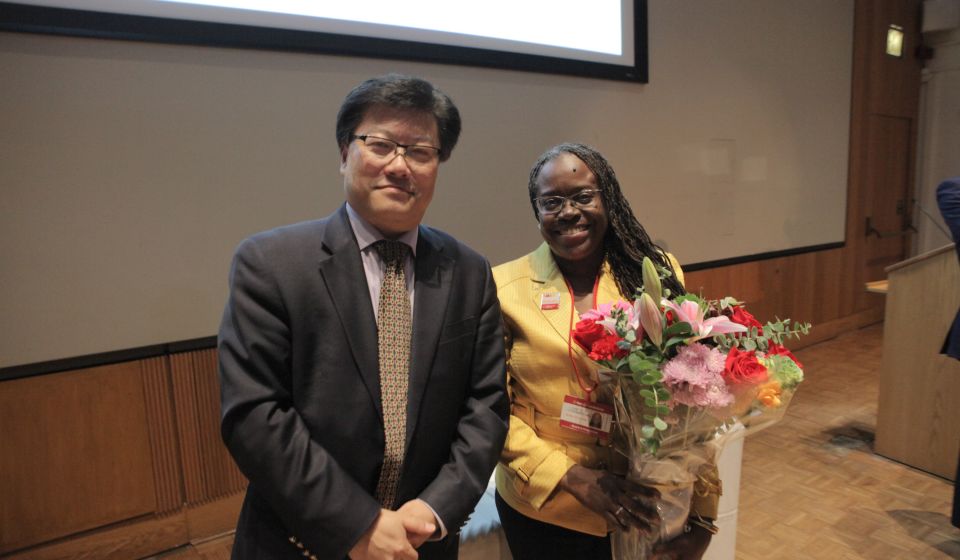
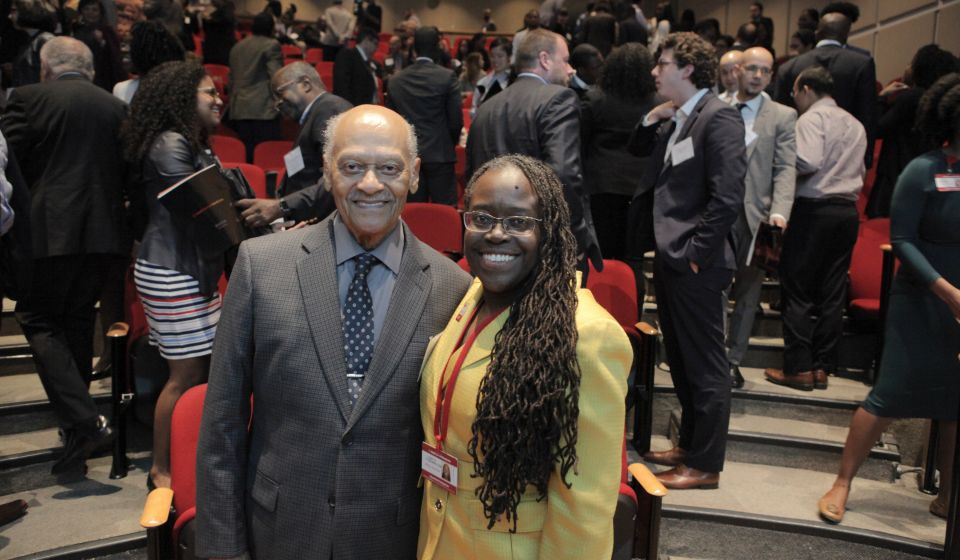
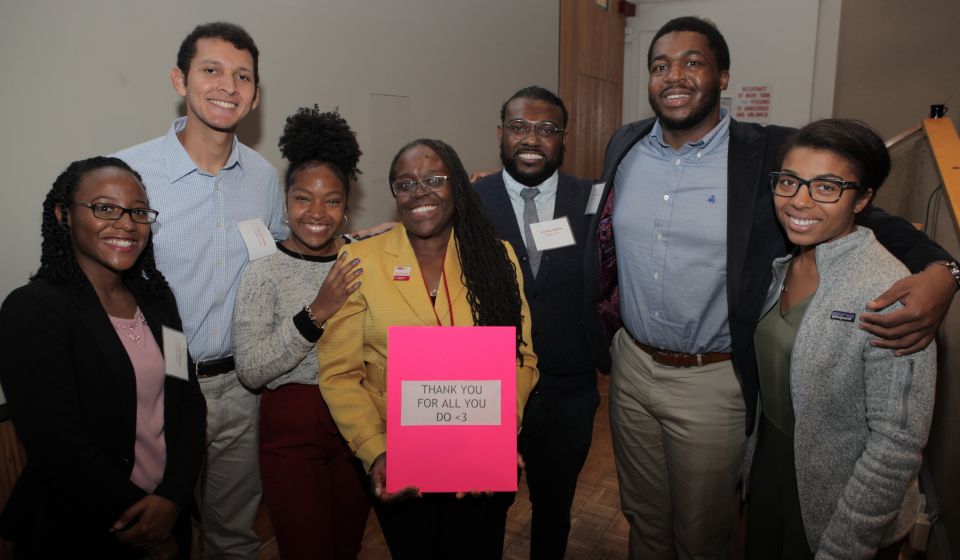
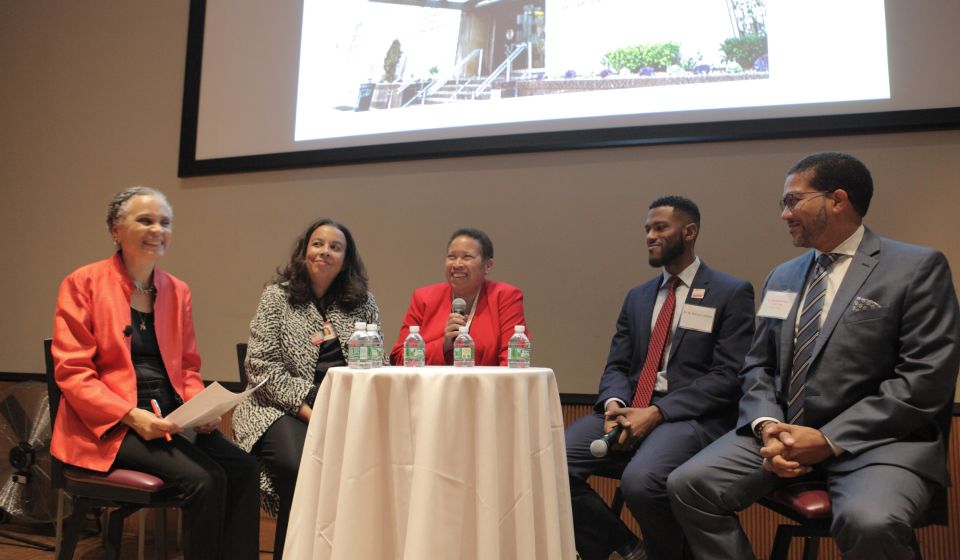
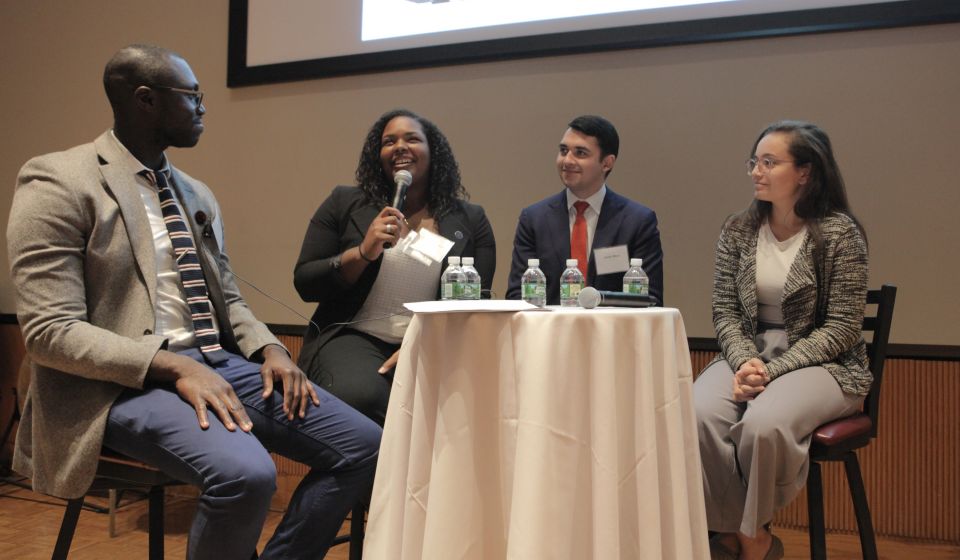
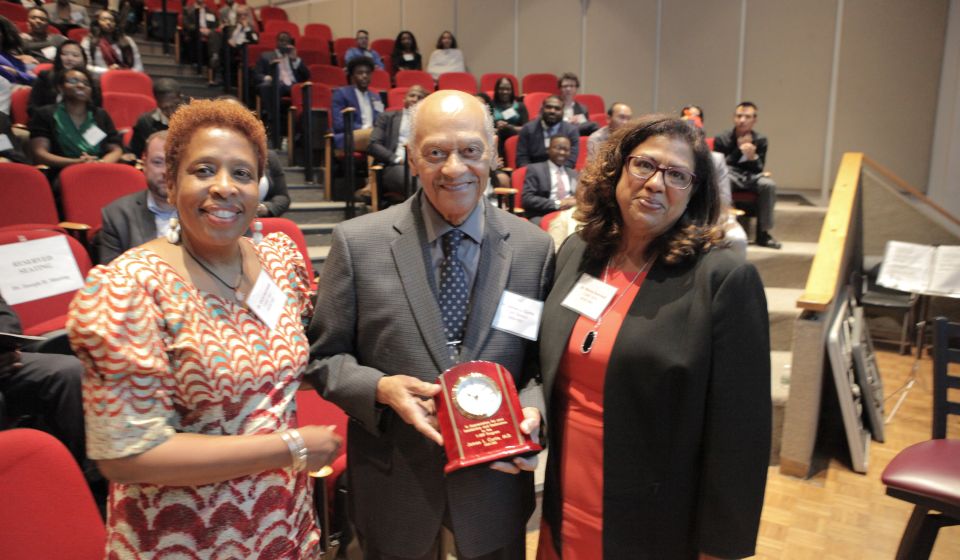
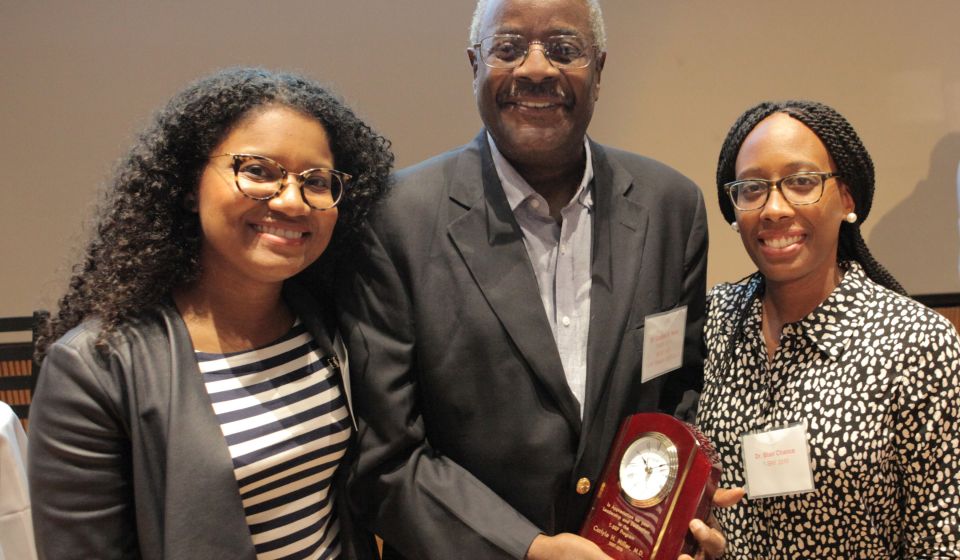
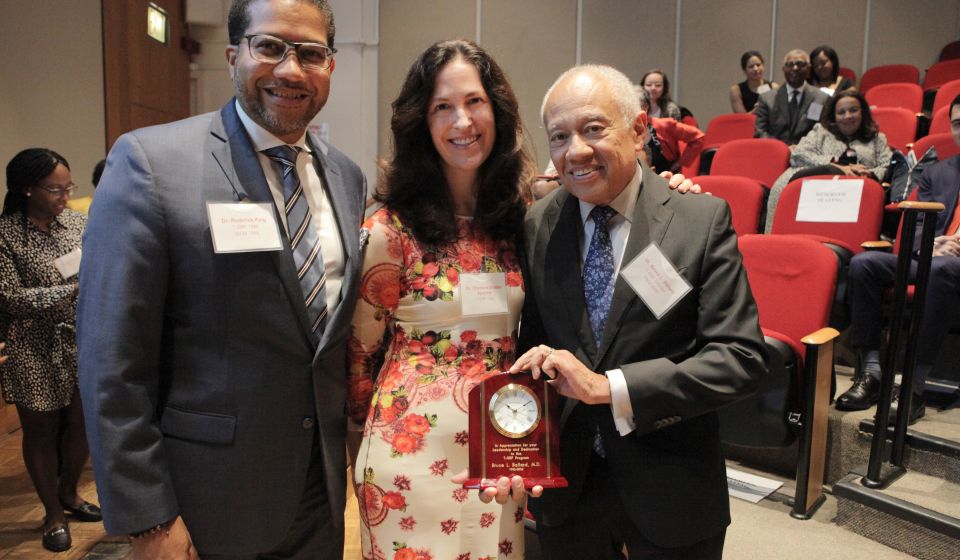
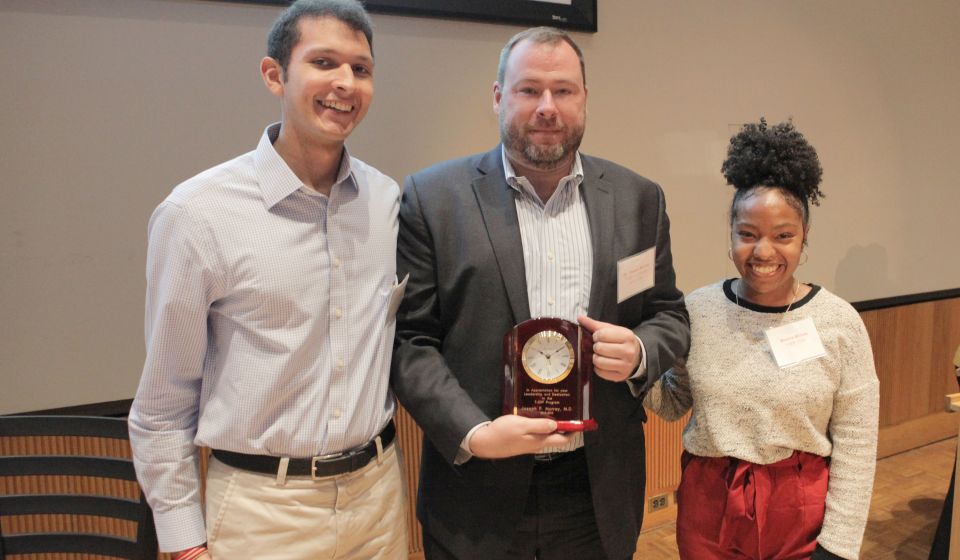
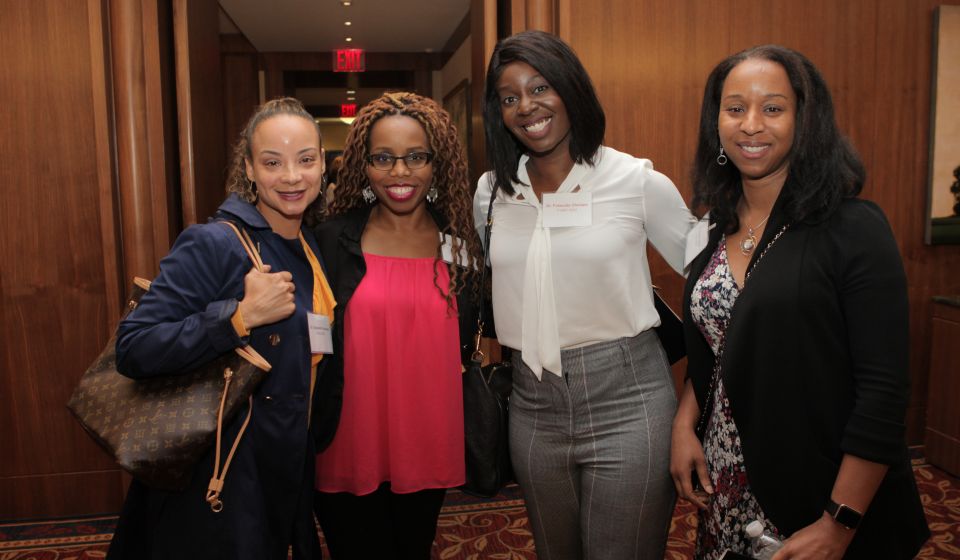
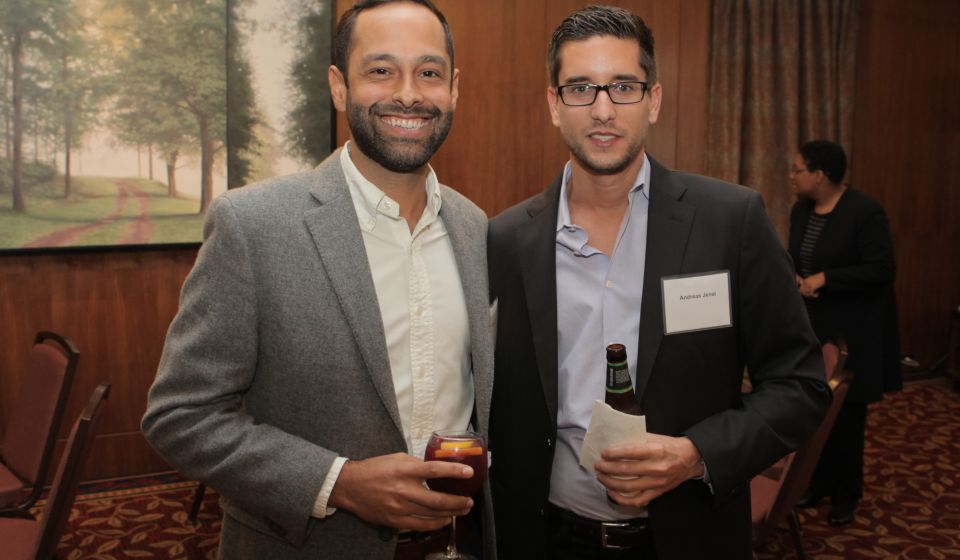
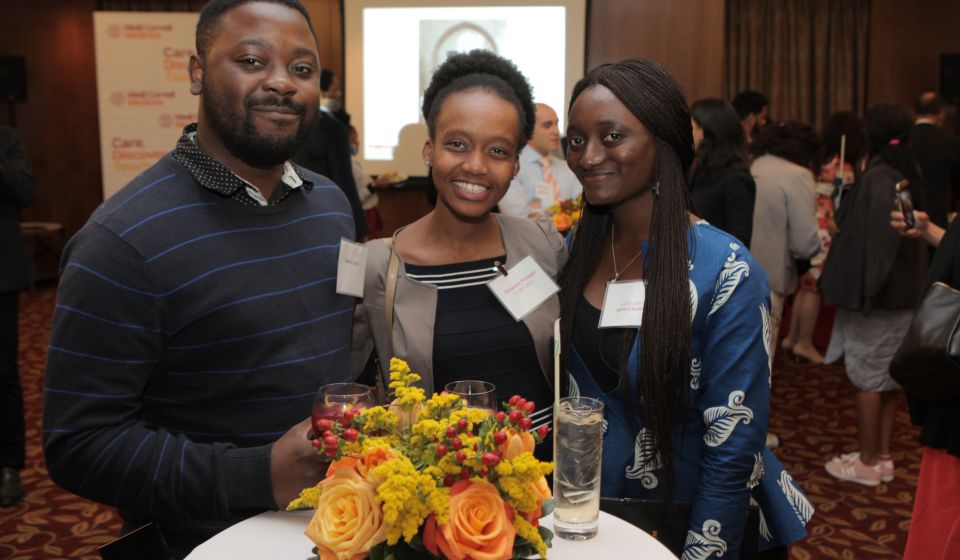
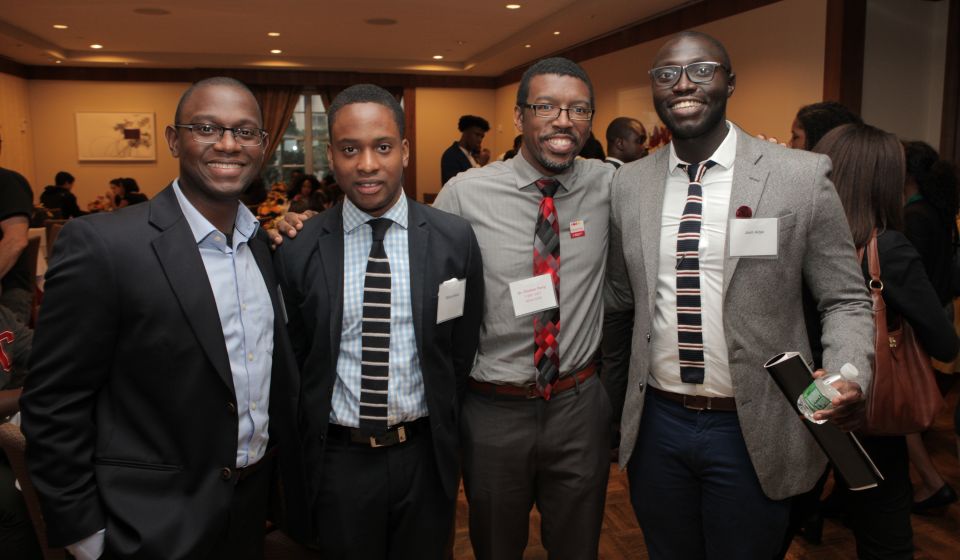
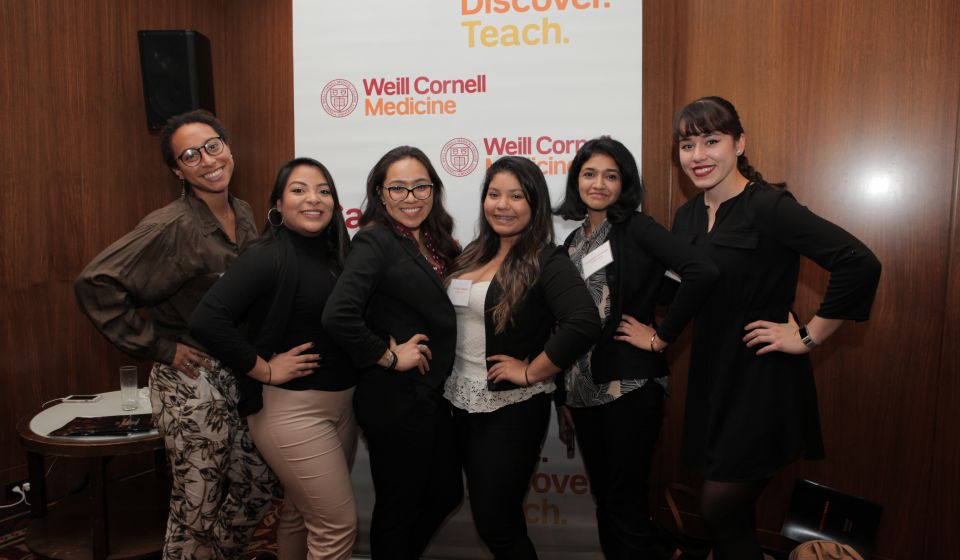
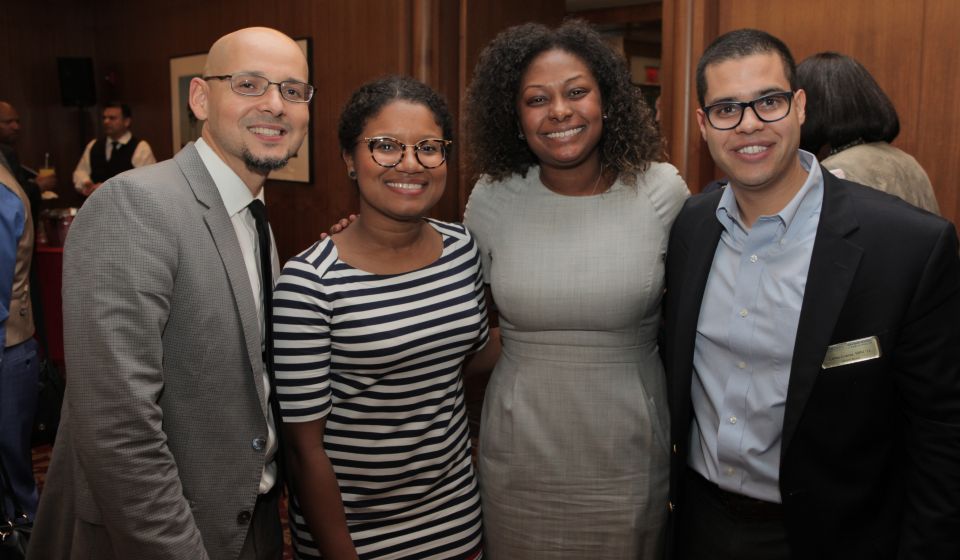
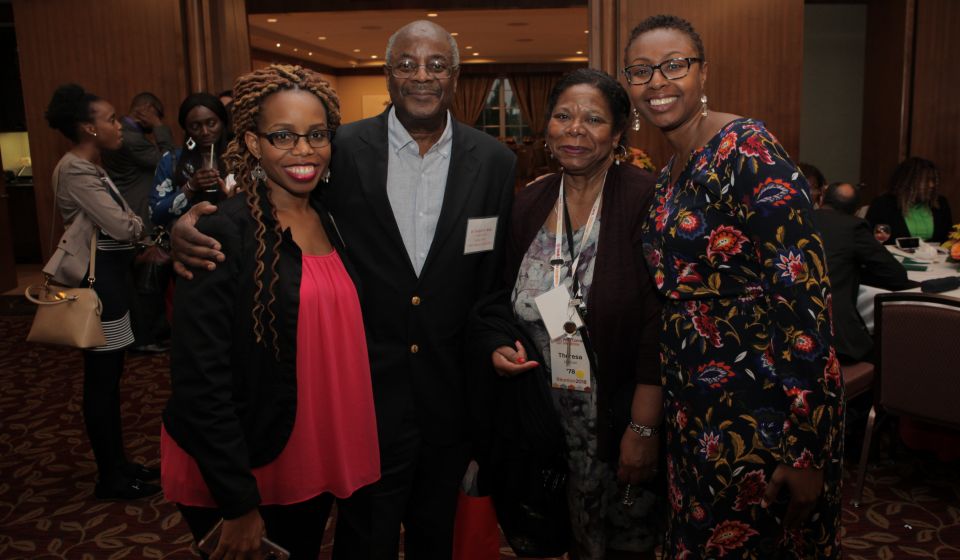
On Saturday, October 6, 2018, The Office of Student Diversity hosted the 50th Anniversary Celebration for the Travelers Summer Research Fellowship Program for Premedical Students (T-SRF). We welcomed back all previous directors of the program: Dr. James Curtis; Dr. Bruce Ballard; Dr. Carlyle Miller, and Dr. Joseph Murray. Approximately 200 guests registered for the event, the majority being T-SRF participants. Many alumni of the medical college and members of the Weill Cornell community also participated in the day’s events. As guests entered Belfer’s Skylight Lounge for brunch, they were greeted by the sounds of Music in Medicine’s Jazz Ensemble.
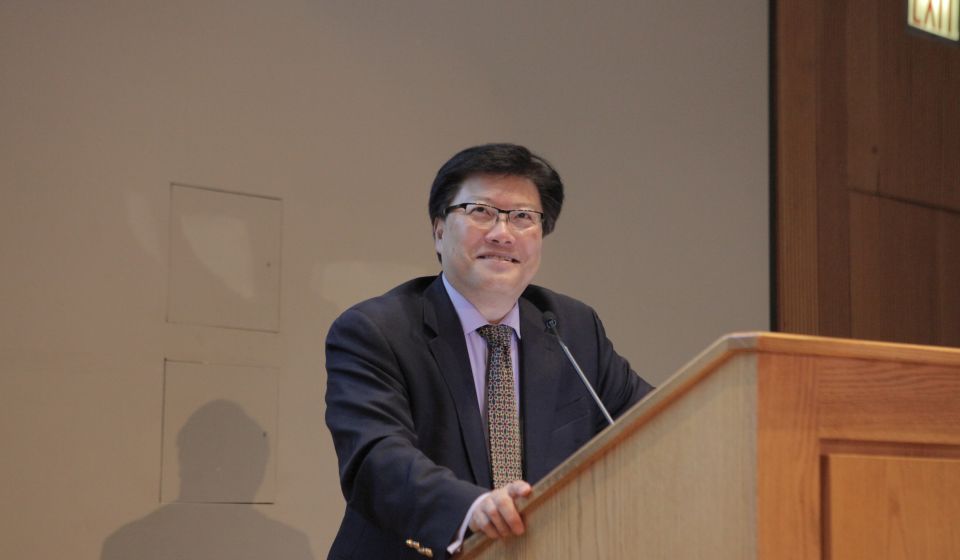
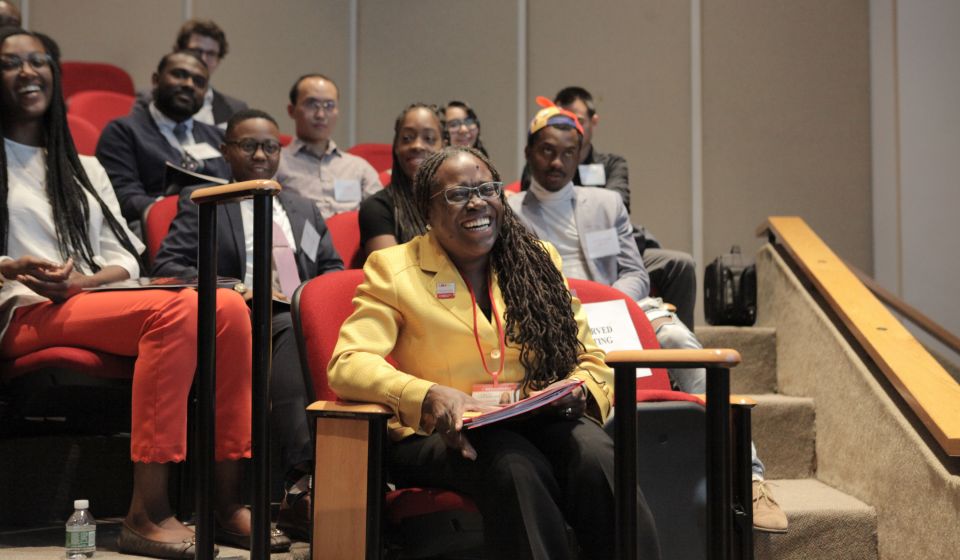
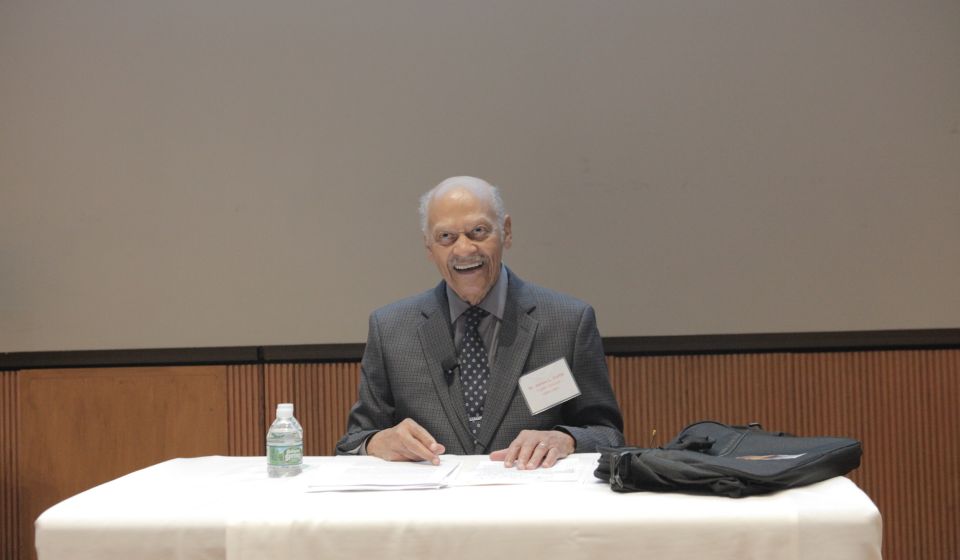
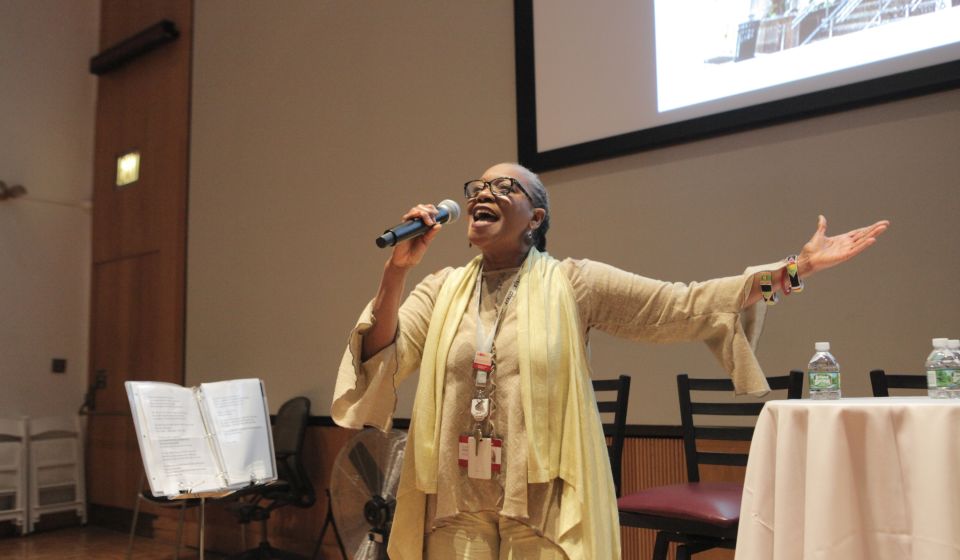
The next portion of the program was held in the Uris Auditorium. There Dean Augustine M.K. Choi, M.D. gave the Welcome address. He presented Dr. Elizabeth Wilson-Anstey with the honor of having an annual lecture during Diversity Week in her name. Dr. James L. Curtis, the first Director of the T-SRF program, was the Keynote Speaker. His topic was “Celebrating 50 Years of Affirmative Action in Medicine at Weill Cornell Medicine”. The program included important topics such as the Effectiveness of the T-SRF Program, 1969 – 2015; Diversity at Weill Cornell Medicine; Healthcare and Healthcare Disparities; and Social Activism, Outreach, and Awareness among Medical Students. Each former T-SRF Director was given a clock to symbolize how the T-SRF program has withstood the test of time. We closed with a beautiful rendition of “Heal our Land”sung by WCM’s very own, Ms. Sharon Brooks.
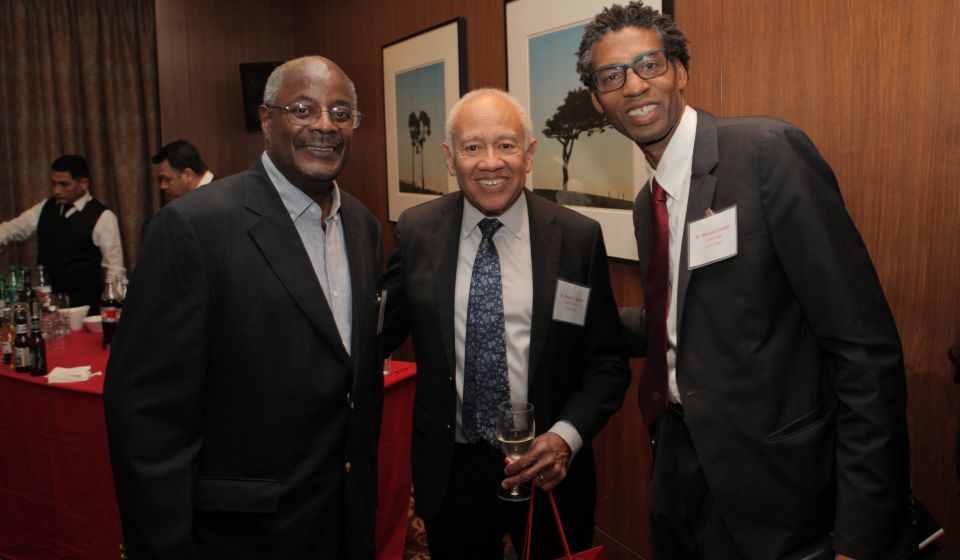
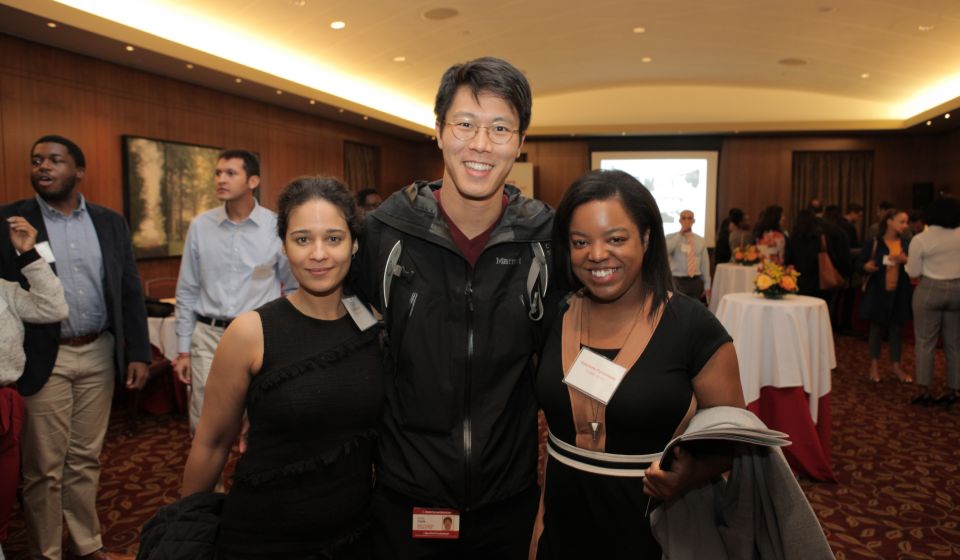
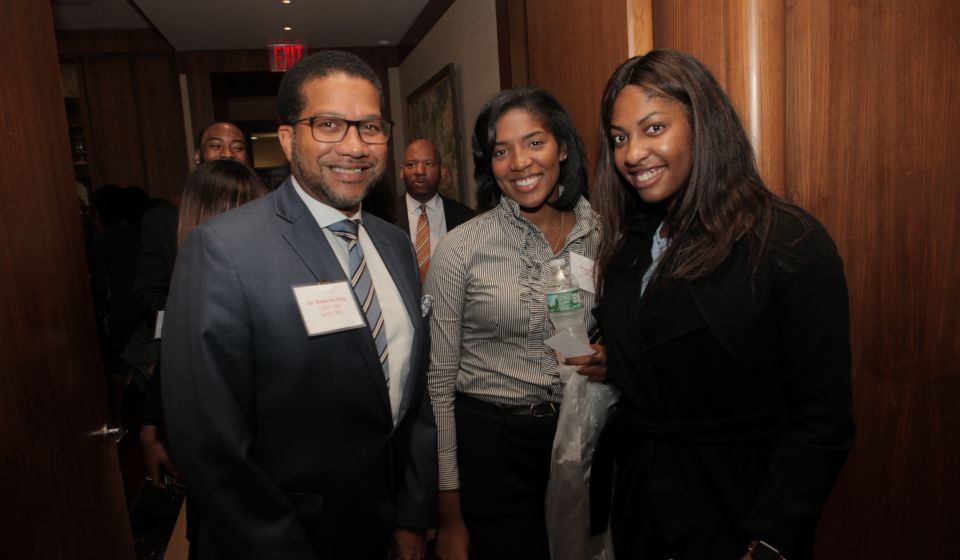
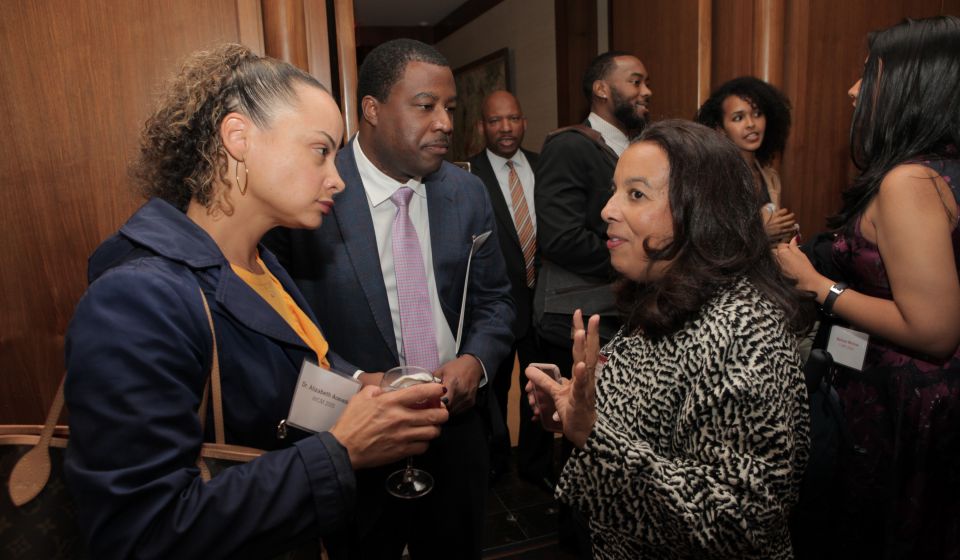
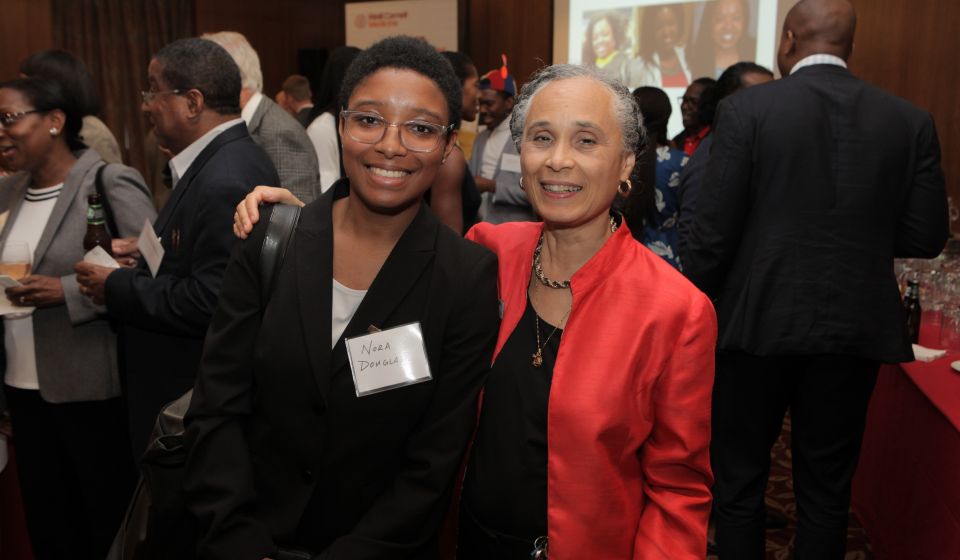
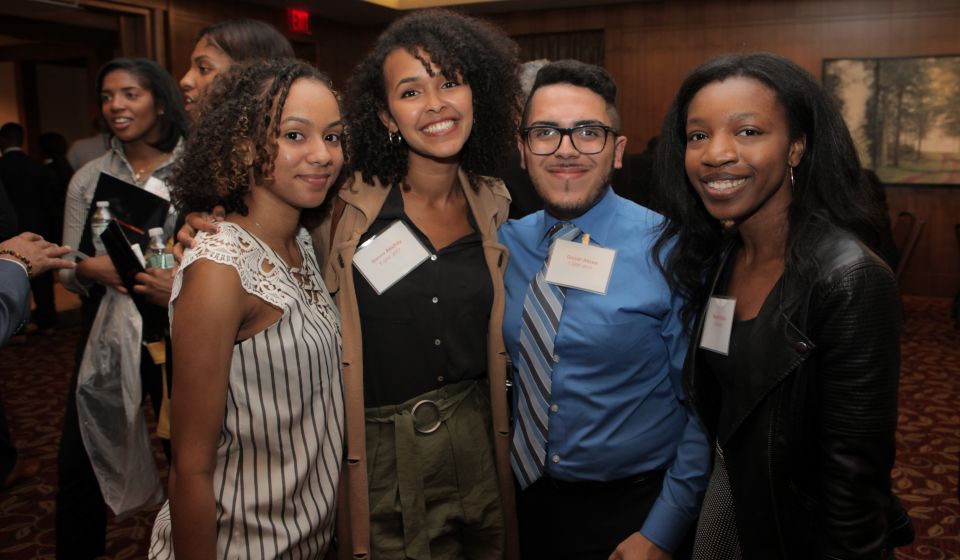
The evening was capped off by a cocktail reception in the Griffis Faculty Club. There folks were able to talk about the presentations, take photos, and make plans for future engagement with the T-SRF program. Overall the event was a great success. We look forward to more opportunities to reunite those who have benefited from the program and opportunities to share those benefits with the next generation of students coming from backgrounds underrepresented in medicine.
Photos